𝒲𝑒𝓁𝒸𝑜𝓂𝑒 𝓉𝑜 𝑜𝓊𝓇 𝓌𝑒𝒷 𝓈𝒾𝓉𝑒
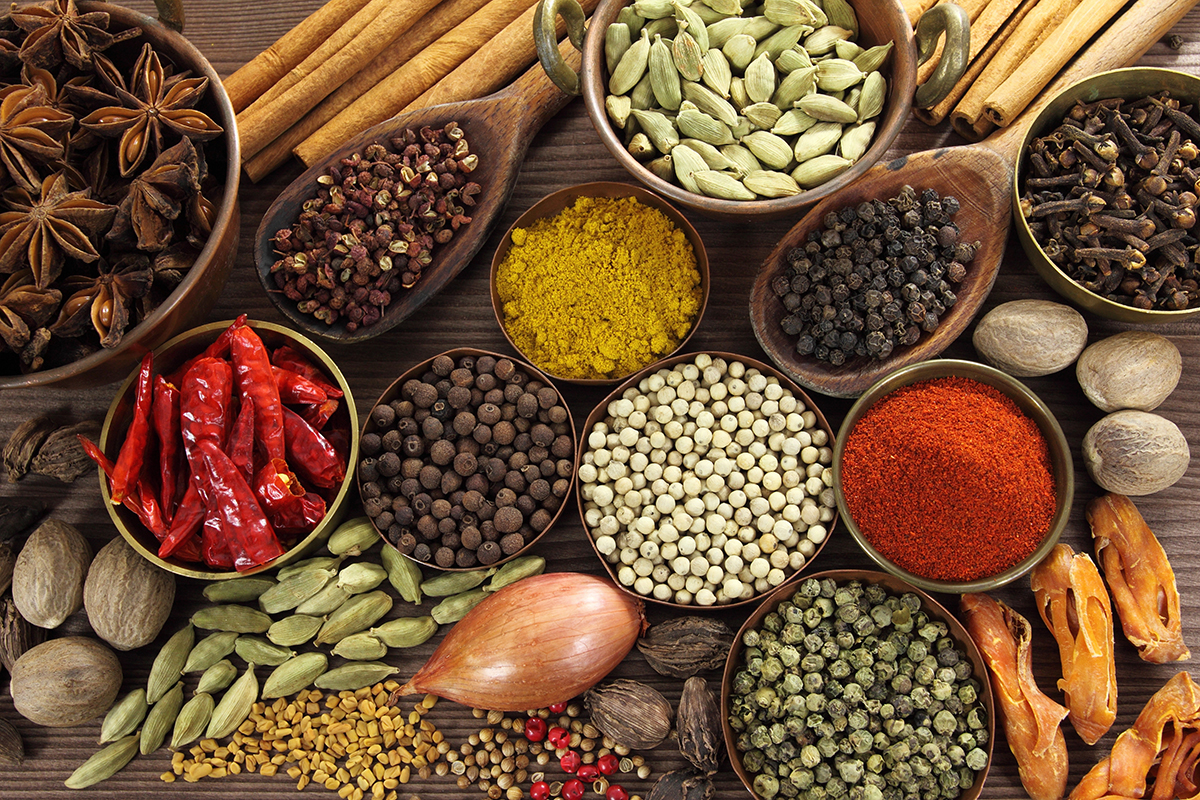
𝕊𝕡𝕚𝕔𝕖𝕤
 𝙲𝚑𝚊𝚝 𝚆𝚒𝚝𝚑 𝚄𝚜
𝘾𝙞𝙣𝙣𝙤𝙢𝙖𝙣
𝙋𝙚𝙥𝙥𝙚𝙧
𝘾𝙡𝙤𝙫𝙚𝙨
𝙏𝙪𝙧𝙢𝙚𝙧𝙞𝙘
𝘾𝙝𝙞𝙡𝙡𝙞 𝙋𝙤𝙬𝙙𝙚𝙧
𝙂𝙞𝙣𝙜𝙚𝙧
𝘾𝙖𝙧𝙙𝙖𝙢𝙤𝙢
𝙉𝙪𝙩𝙢𝙚𝙜
𝙁𝙚𝙣𝙣𝙚𝙡
𝙑𝙖𝙣𝙞𝙡𝙡𝙖
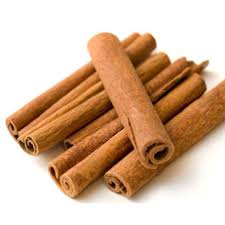
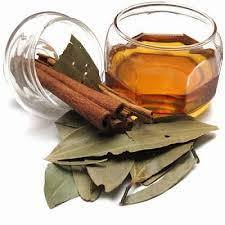
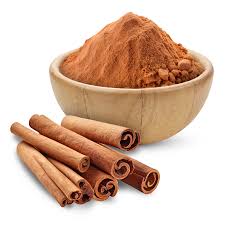
ℂinnamon has been used by humans for thousands of years as early as 3,000 B.C. Despite of its exotic, distant origin, cinnamon was known and widely used in the ancient world. The Arabs were the first to introduce it to the west and dominated the trade for centuries via their network of trading routes that went as far as China. Their account of where and how cinnamon was obtained proves that exaggerated marketing techniques were not invented in the past. In spite of its widespread use, the origins of cinnamon was the Arab merchants best-kept secret until the early 10 century. To maintain their monopoly on cinnamon trade and justify its exorbitant price, Arab traders interlaced colorful stories for their buyers about where and how they obtained the luxurious spice. Therefore, they furnished details on the origin of cinnamon which were not true. Many scholars believe that cinnamon was brought from Sri Lanka during that period and it needs to be investigated.
Indian food has continuously evolved and changed over the centuries in order to become what it is today. Many cultures and empires have exerted their influence over Indian cuisine, adding their own unique flavors, tastes, and styles. These influences have become so ingrained in Indian cuisine over time, that we no longer recognize the non-native origins of many characteristically Indian foods and dishes. Such is the case with the chili pepper, one of the most important and widely used spice in Indian cuisine. Used in curries, stews, meat dishes, and everything in between, chili peppers are central to what defines Indian food. In fact, today "by a long margin, India is the world's largest producer of chili peppers. It therefore comes as a shock to many that chili peppers do not originate from India. The chili pepper plants are rather native to Mesoamerica. Estimated to have been domesticated in 5000 BC in modern-day Mexico, chili peppers only began to spread to other parts of the world during the fifteenth and sixteenth centuries. The chili pepper was brought to India along extensive spice routes that extended all the way from the Americas, through Europe and India, to China. A mere five hundred years ago, this quintessential Indian spice did not exist at all in Indian cuisine. Over the course of the centuries, however it became an essential spice used in Indian food across the subcontinent. The evolution of Indian food alongside the chili pepper is a fascinating history that
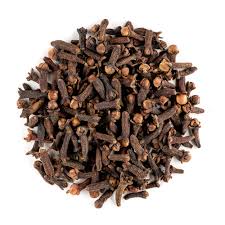
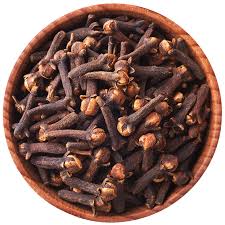
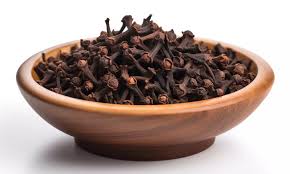
Clove is one of the most common species used in kitchen from ages. The dried flower buds of the Syzgium Aromaticum tree are used to make cloves. Cloves are also known in India as laung or Lavanga. It brings spicy warmth to curries, biryani, cookies, cakes and add flavor to hot beverages. It can be used whole or ground. Its a sweet and aromatic spice thats also been utilised in Ayurvedic medicine for centuries. Clove or laung are packed with nutrients like carbohydrates, protein and dietary fiber. It contains many minerals and vitamins also like potassium, magnesium, calcium, sodium, vitamin E, vitamin C, folate, niacin etc.
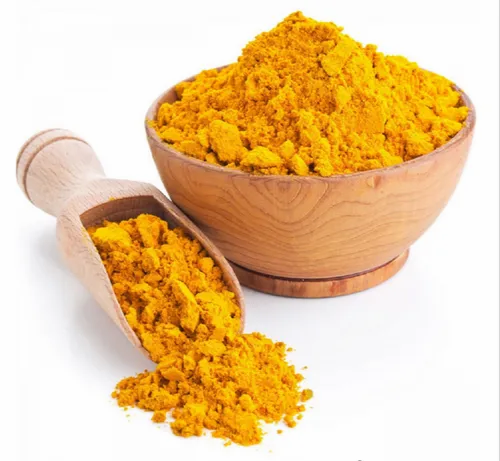
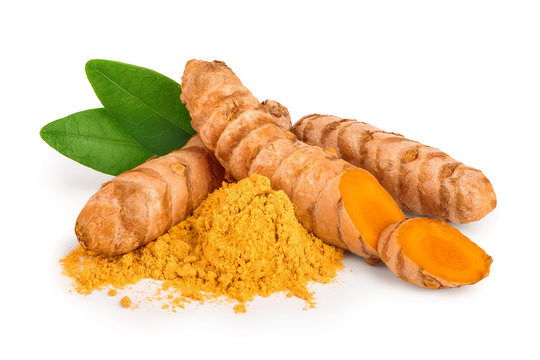
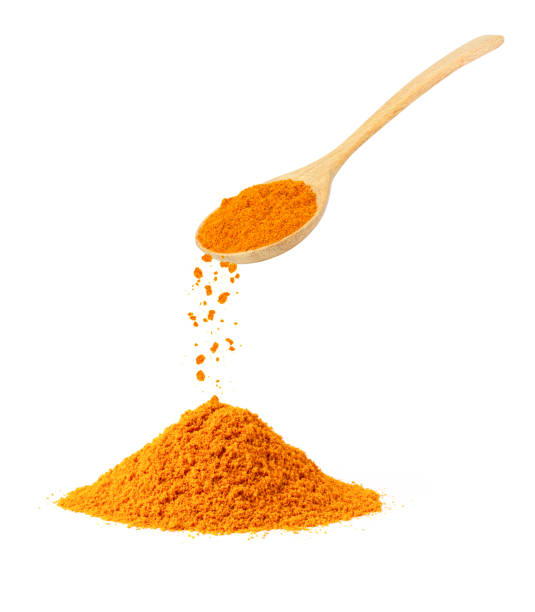
Turmeric is a spice belongs to ginger family, which gives curry its yellow color. It has many major health benefits for your body and brain. It has been used in India for thousands of years as both spice and medicinal herb. It adds an element of deliciousness and fiavour to food. Curcumin or Haldi, known as the golden spice, eases the digestive system and detoxies the liver. Turmeric, with its bright yellow color, and due to presence of the powerful polyphenol, curcumin, imparts many health bene ts. Its antibacterial and anti-fungal properties make it very effective when it comes to common health problems like cold, cough and sore throat.
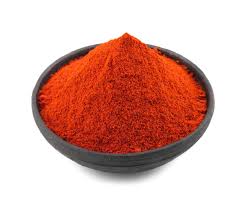
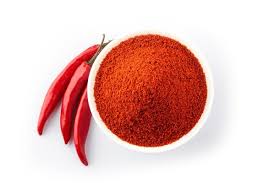
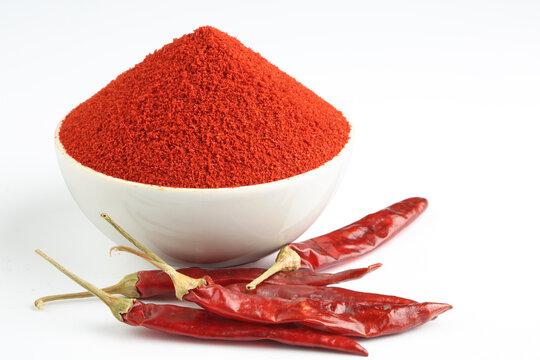
Chili contains three main compounds Capsaicin, Capsanthin and Capsorubin. The heat comes from Capsaicin which is majorly found in seeds or membrane of chili flesh. Heat of chili is measured in SHU, Scoville heat units, Sweet bell pepper measures 0 on SHU scale while Mexican habaneros scales from 200,000 to 500,000 units. Capsaicin spreads with water, if you have bitten too much chili try cheese, butter, potato, milk or yoghurt instead of water as starch and fat present in these will dilute Capsaicin and relieve the heat. In order to reduce heat, soak chilies with water adding a pinch of salt or vinegar, this will take away excess heat; do not use remaining mixture for cooking. Health Benefits of Chili Powder, Chili is known to have Capsaicin, this compound has many health benefits and researches have shown that it possesses strong anti-bacterial, anti-diabetic, anti-carcinogenic and analgesic properties. Chili is rich source of vitamin C, this vitamin is vital for body as it is required in Collagen synthesis. Collagen is main structural protein in the body which is necessary for maintaining integrity of blood vessels, skin, organs and bones. Chili powder also possesses good quality anti-oxidants. Anti-oxidants are needed by the body to inhibit activity of free radicals which are extremely harmful and initiate life-threatening diseases like cancer. Chili has Vitamin A and flavonoids to prevent ill-effects of stress, diseases and medication. Chilies contain a good amount of minerals like potassium, manganese, iron and magnesium. These minerals are very beneficial and help in controlling heart rate, blood pressure and also provide support to vital systems of the body.
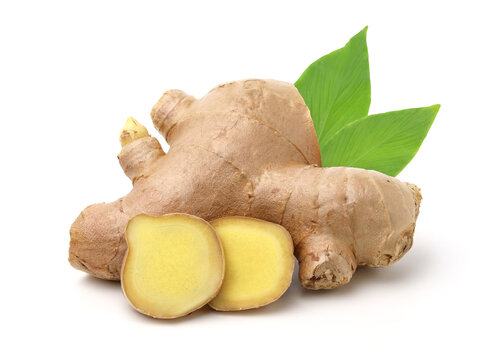
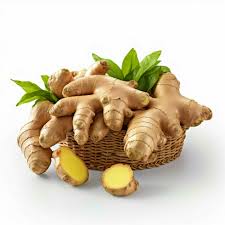
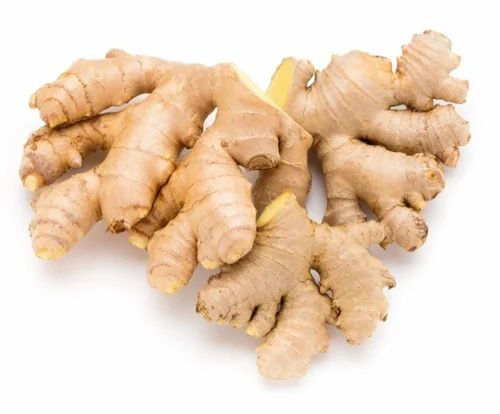
Ginger, with its strong and spicy aroma, has its own place in Indian cuisine. It may be used fresh or dried, powdered or pickled or in the form of juice or oil. Ginger tea, the classic Indian household favourite, is the most commonly used form, not to mention the ginger concoction given every time someone catches a c. It has anti-inflammatory, analgesic, antioxidant, and anti- emetic properties.
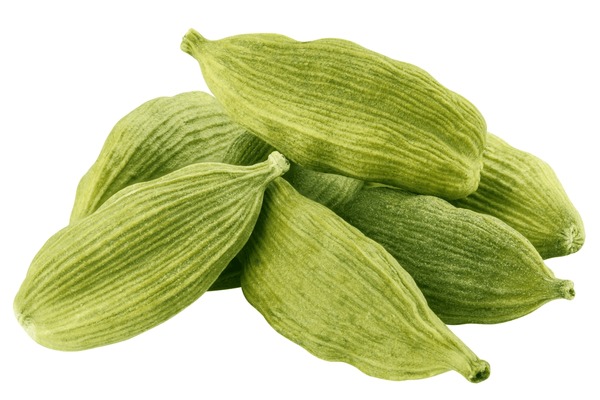
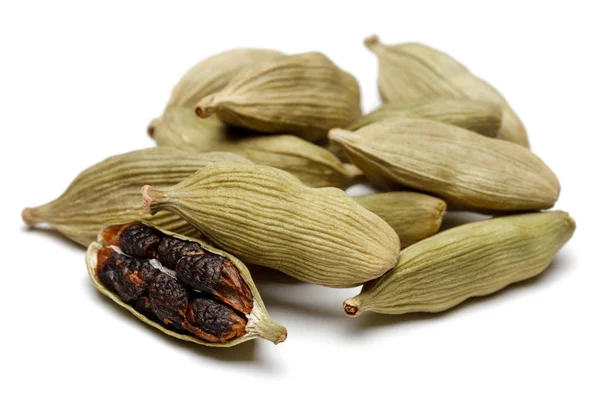
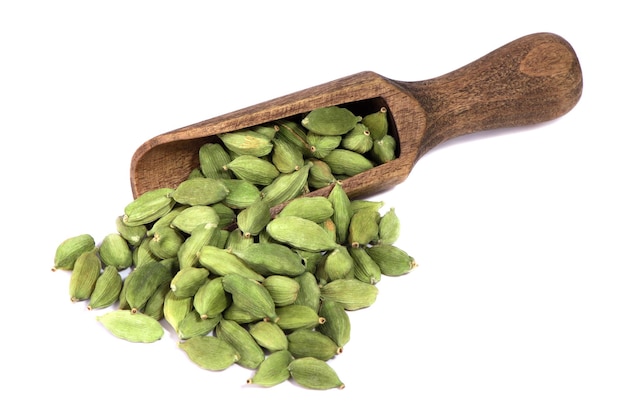
True or green cardamom (or, when bleached, white cardamom) comes from the species Elettaria cardamomum and is distributed from India to Malaysia. What is often referred to as white cardamon is actually Siam cardamom, Amomum krervanh. Black cardamom, also known as brown, greater, large, longer, or Nepal cardamom, comes from species Amomum subulatum and is native to the eastern Himalayas and mostly cultivated in Eastern Nepal, Sikkim and parts of Darjeeling district in West Bengal of India, and Southern Bhutan
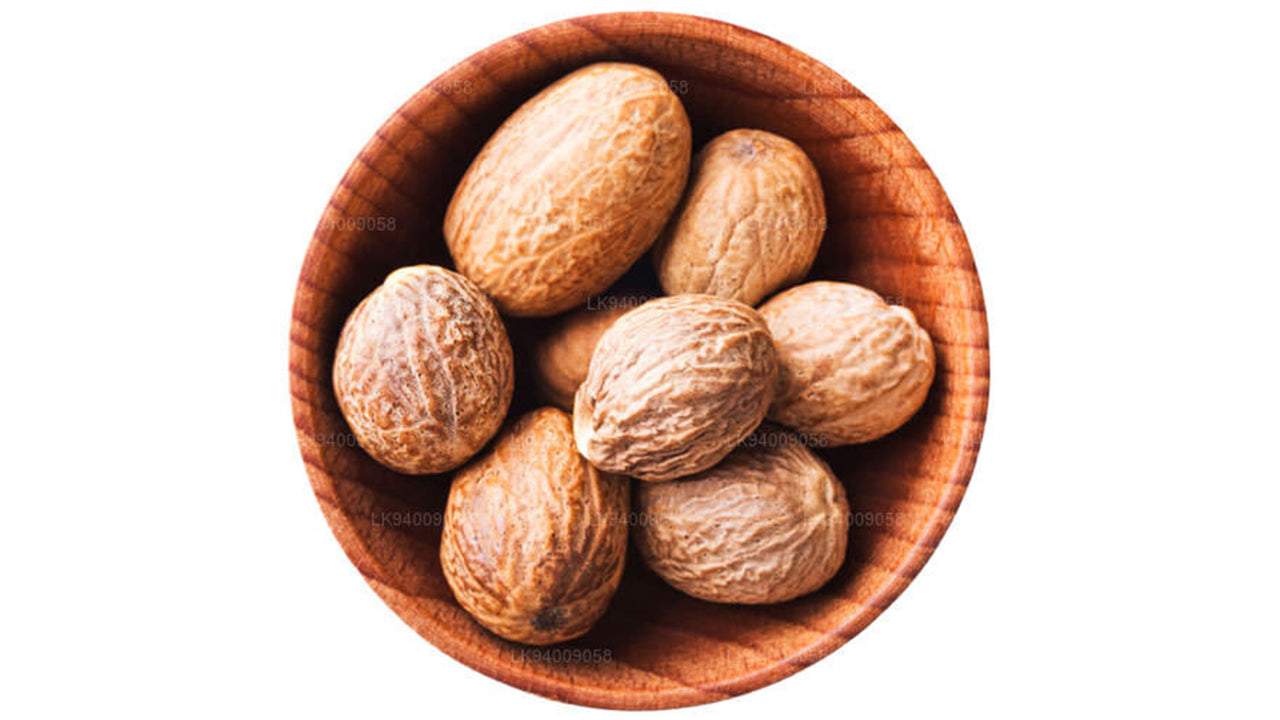
An evergreen tree indigenous to the Bands Islands in the Malacca of Indonesia, Nutmeg produces not one, but two spices - nutmeg and mace. It is the only tropical fruit known to be the source of two spices. Both nutmeg and mace have similar sensory qualities. Nutmeg is usually used to flavour dishes in ground or grated form. In Indian cuisine, it is used in many sweet and savoury dishes especially in Mughal cuisine. Ground nutmeg is also smoked in India In Middle Eastern cooking, ground nutmeg is often used as a spice for savoury dishes. In original European food preparations both nutmeg and mace are used in potato dishes, processed meat dishes, soups, sauces and baked items. In the Dutch kitchen, nutmeg is added to brussel sprouts mulled wine, mulled cider, cauliflower, string beans and eggnog Nutmeg is not only a spice, but it also serves a few industries as well. The essential oils obtained from ground nutmeg is widely used in the perfumery and pharmaceutical indus- tries, it is also used as a natural food flavour ing in the bakery produce. Interestingly, the national flag of Grenada adopted in 1974, sports a styl- ized split-open nutmeg fruit. Until the Portuguese conquered the Malacca in 1511, the location of the Banda Islands which produced this exotic spice was a well-kept secret by the Arab traders who were making quite al a healthy profit from selling this spice to the European market. Today, the world requirement of nut meg is supplied by Indonesia, Malaysia. the Caribbean islands, Kerala in India and Sri Lanka.
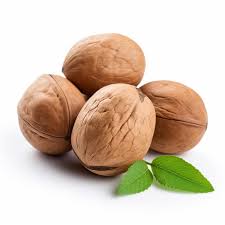
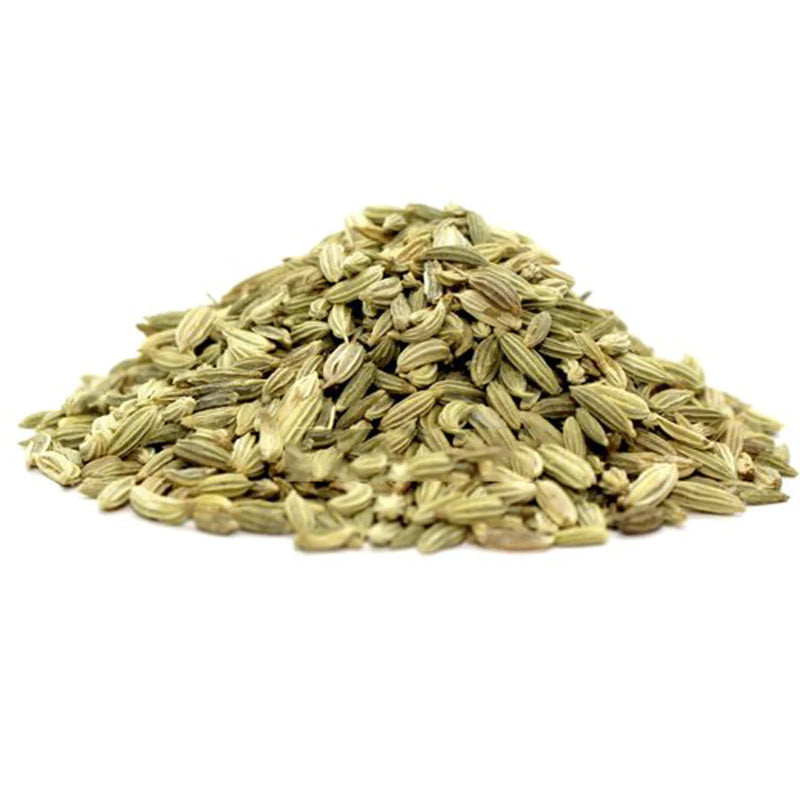
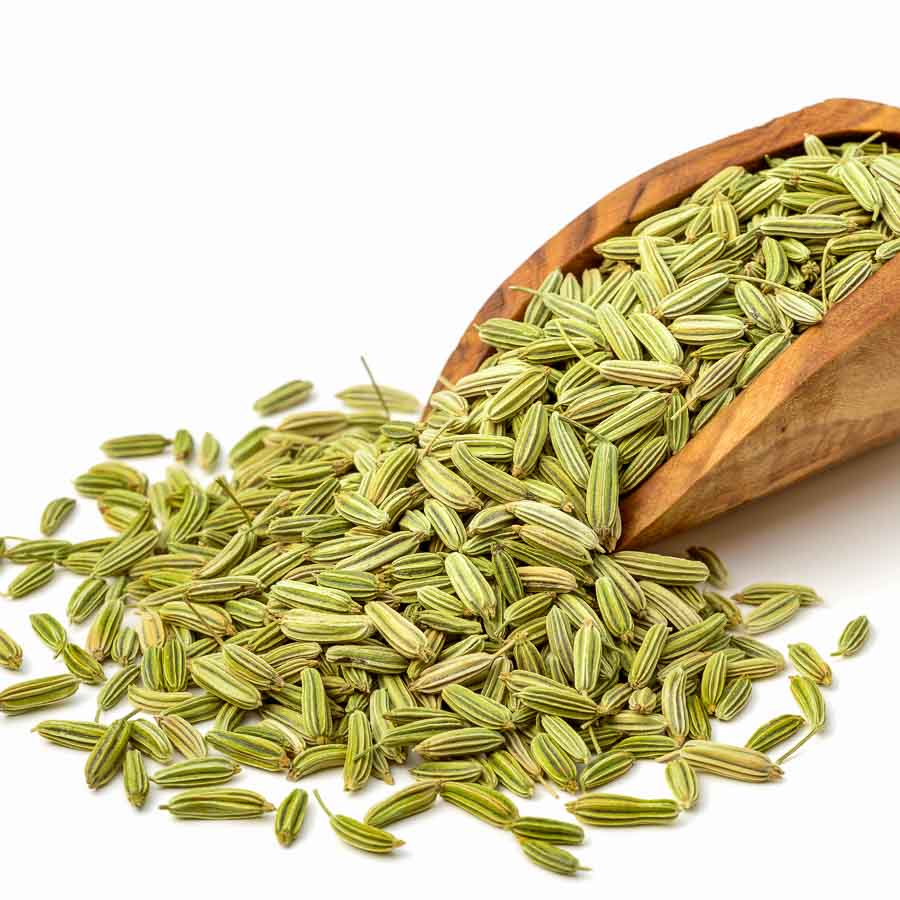
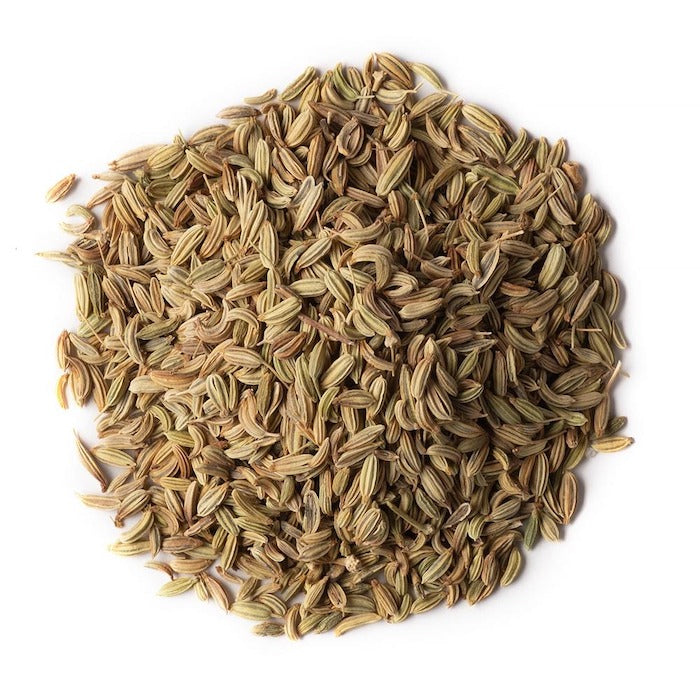
Fennel, scientifically known as Foeniculum vulgare, is a versatile and aromatic plant belonging to the Apiaceae family, which includes other well-known plants such as carrots, celery, and parsley. Native to the Mediterranean region, fennel has been cultivated and utilized for thousands of years for its culinary, medicinal, and aromatic properties. Its distinctive flavor, reminiscent of anise or licorice, has made it a staple ingredient in various cuisines and a valued component in traditional medicine systems. Fennel is a perennial herb that can grow up to 2.5 meters in height. It has finely divided, feathery leaves and yellow flowers that bloom in umbels. The plant produces a bulbous base, which is often mistaken for a true bulb but is actually a swollen stem. This bulb, along with the seeds and leaves, is used in cooking. Fennel seeds are small, ridged, and can vary in color from green to brown. The entire plant emits a sweet, anise-like aroma, which is due to the presence of essential oils, particularly anethole.
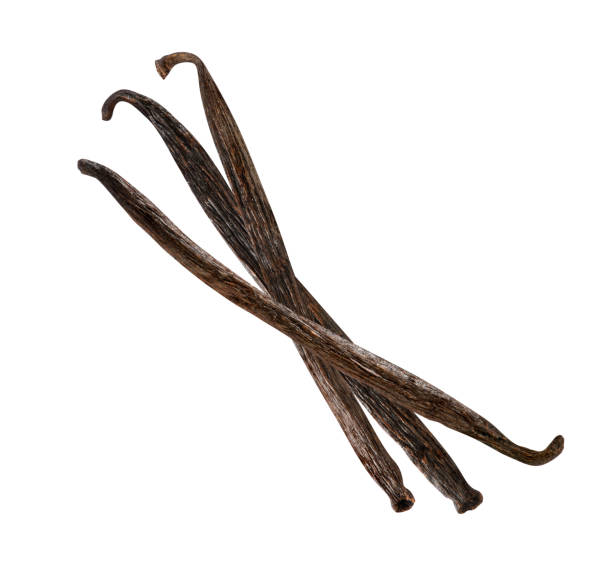
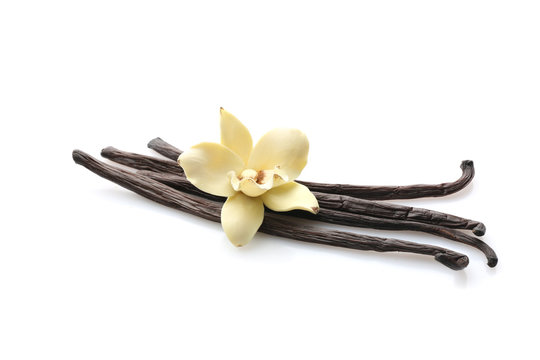
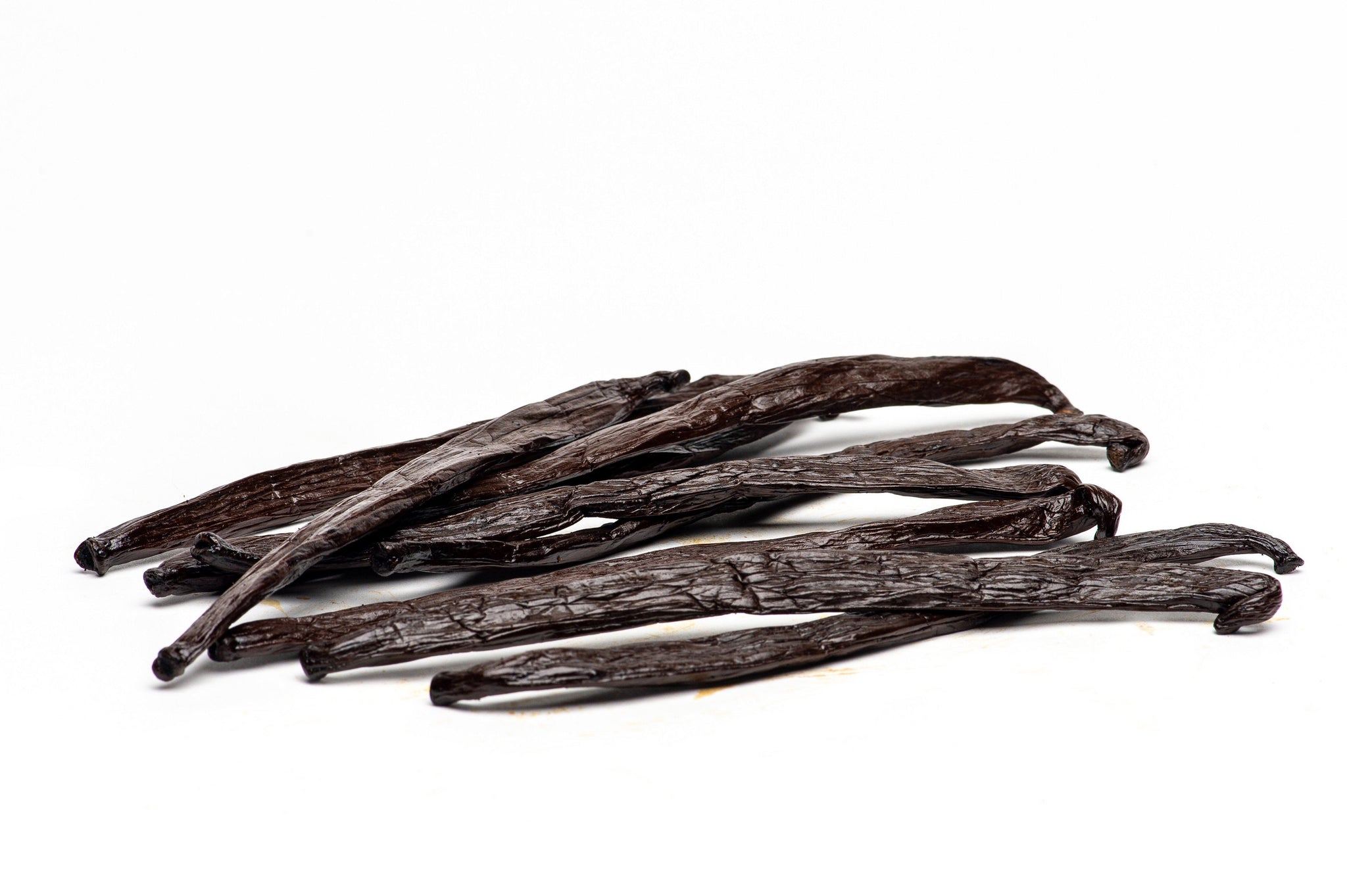
Vanilla is a product, which can be found in every country, as today it is distributed worldwide. There are several reasons for choosing this culinary product for the research. It is widely known, as practically every restaurant in the world offers dishes with this ingredient. It is actively used while cooking bakeries such as cakes, pies, and cookies (Ho, Shahidi, and Contis 139). For example, vanilla consumption in the United States of America is relatively high, as the country consumes approximately 2000 tons per year (Havkin-Frenkel 5). Another interesting fact is that a majority of vanilla powder is used in ice cream manufacturing. Moreover, vanilla has many benefits, which have a positive influence on one's health. Furthermore, this product is also used in other industries. These facts were the primary drivers of my choice, as possible solutions to vanilla usage in different industries could be introduced.
𝕆𝕥𝕙𝕖𝕣𝕤
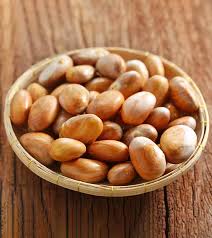
The following products can be mentioned as other products available in our website.*Jack Seeds
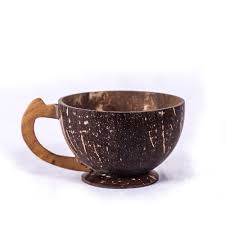
*Coconut Shell Cups
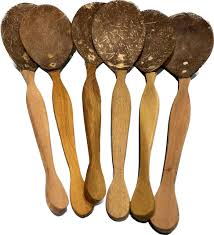
*Coconut Shell Spoons
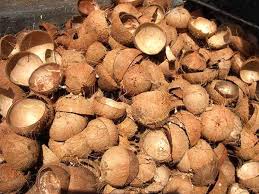
*Coconut Shell
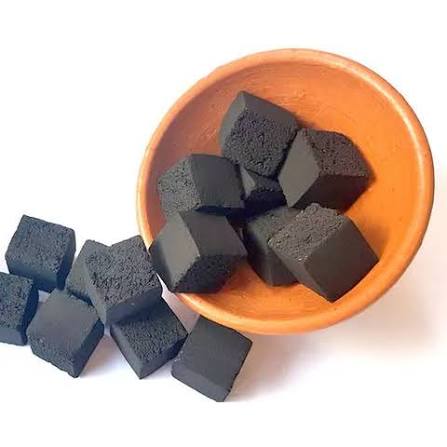
*Coconut Charcoal Cubes
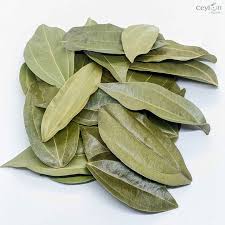
*Cinnamon Leaves
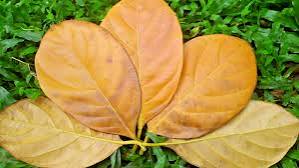
*Jack Leaves
*Dry lotus flowers
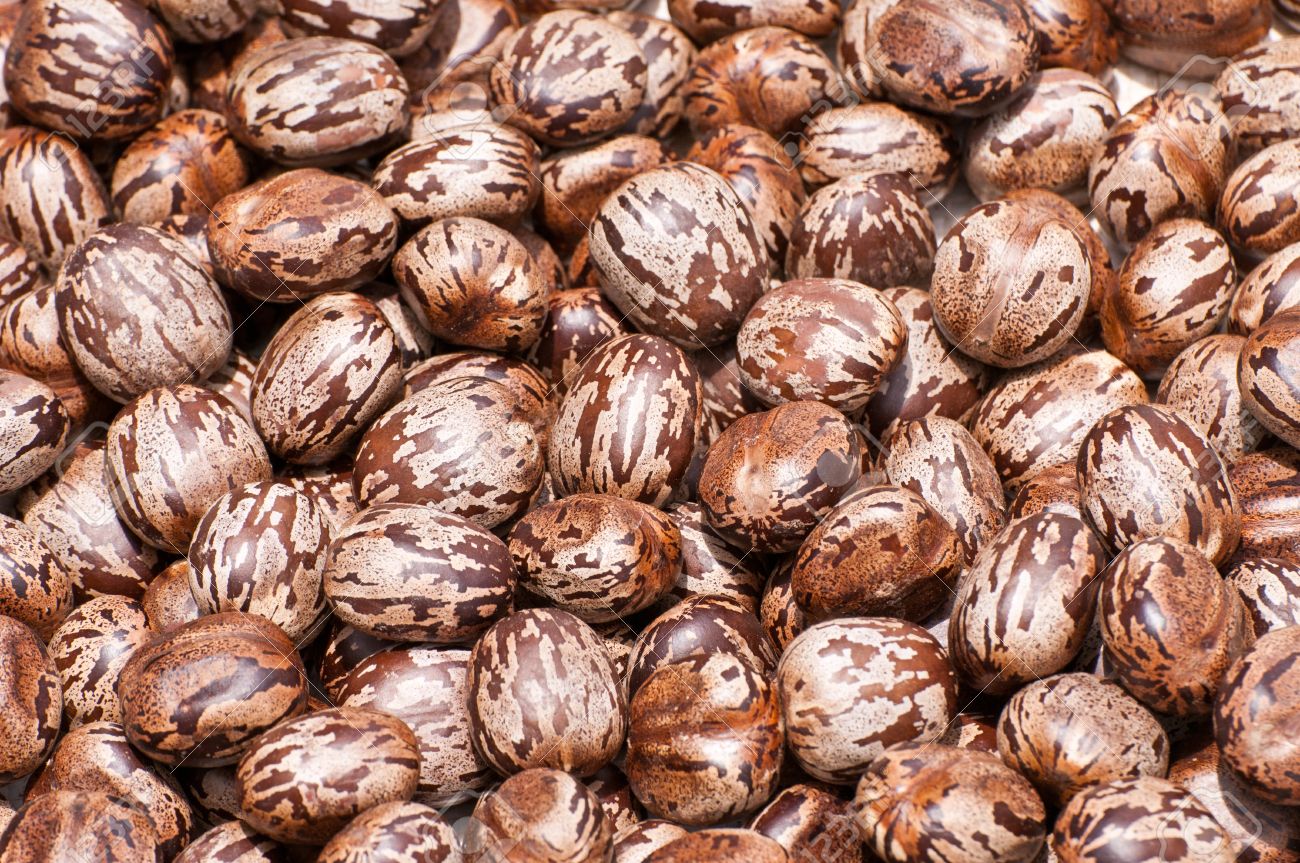
*Rubber Seeds
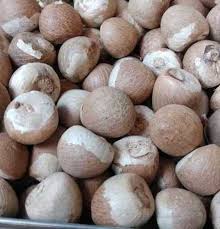
*Arica nuts
*Jack Seeds
*Coconut Shell Cups
*Coconut Shell Spoons
*Coconut Shell
*Coconut Charcoal Cubes
*Cinnamon Leaves
*Jack Leaves
*Dry lotus flowers
*Rubber Seeds
*Arica nuts